

Notes from Within
REFLECTIONS ON HEALING, SPIRIT, AND THE BODYThoughts, stories, and gentle insight on the nervous system, trauma, somatic healing, intuition, and the work of befriending yourself.
Take what resonates. Come back when you need it.
from the blogRecent Reflections
Stories, insight, and honest reflections from the places where the body, nervous system, and inner world meet.
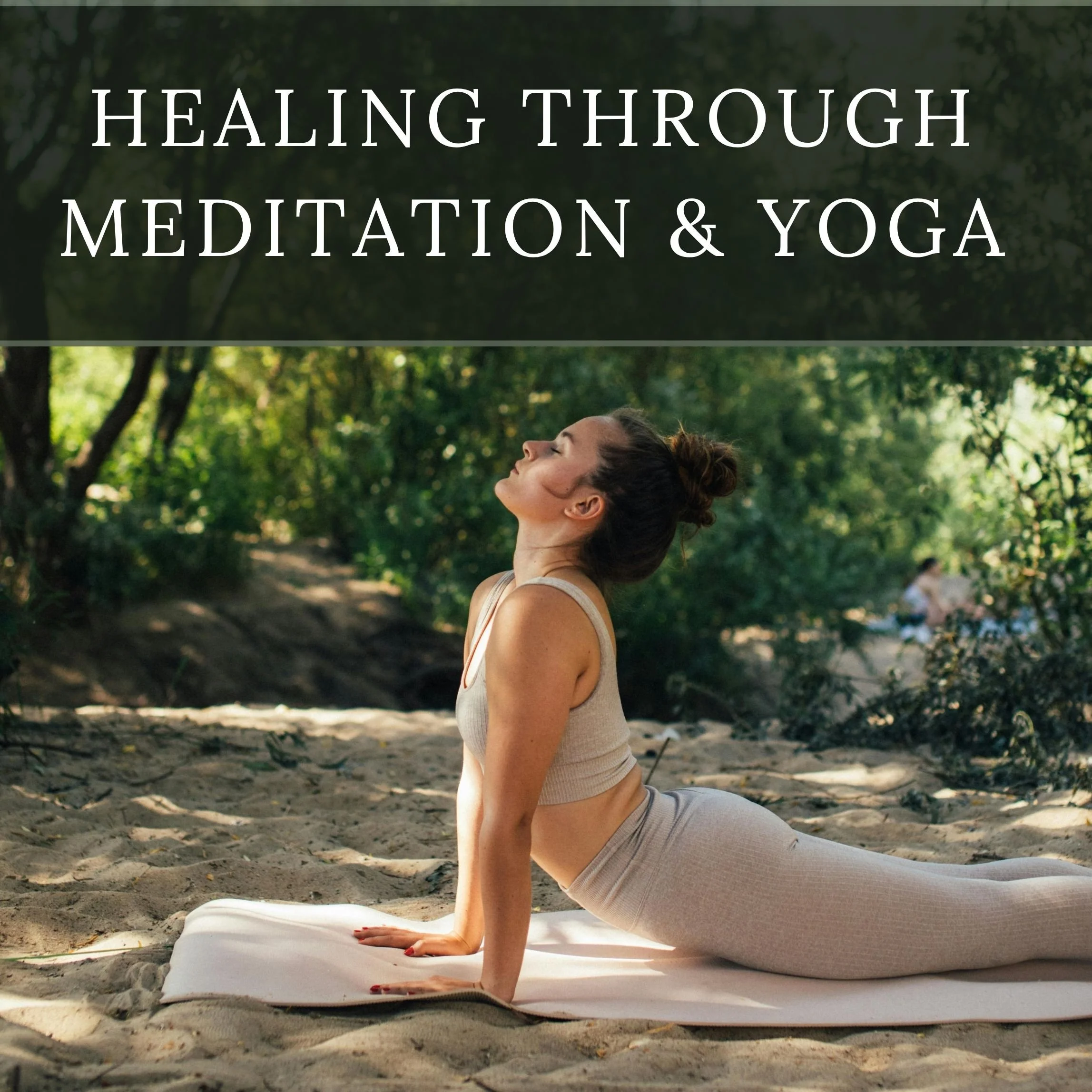
Why I Preach Practices Such as Meditation and Yoga in Therapy
What is interoception and why does it matter in therapy? Learn how meditation and yoga support the mind-body connection, emotional regulation, and healing from anxiety and trauma.
Say Yes to the Mess: Why Holistic Trauma Therapy Wins in 2026
2026 feels like a threshold year. Not because the calendar changed, but because so many of us are tired of pretending we’re fine while quietly unraveling inside. This reflection explores why holistic, trauma-informed therapy isn’t about fixing or transforming yourself, but about integration, permission, and learning to feel safe enough to be fully human. It’s an invitation to say yes to support, yes to your nervous system, and yes to the slow, honest work of becoming.
Presence Over Performance: A Different Kind of Year‑End Reflection
This is not your average anxiety or trauma therapy holiday blog. You won’t find tips on how to survive family dinners or navigate holiday stress. Because honestly, holidays are tricky for most of us, and sometimes the most legit thing we can do is stop trying to “navigate” them at all.
Instead, I want to offer something different: affirmations. Gentle reminders that being here, being alive, is enough.
Part 2, Quick Fixes vs. Continuity: Why Care Matters in Trauma Therapy
In the second of this two-part reflection, Mallory explores the true depth of why continuity of care matters in trauma therapy and why we are drawn to the quick fixes.
Part 1, Beyond Buzzwords: What Healing Really Means in Trauma Therapy
Healing isn’t a buzzword. It’s a layered, relational, non-linear process. In this two-part reflection, Mallory explores the true depth of healing and why continuity of care matters in trauma therapy.

The Roundness of Healing: The Soul’s Language
Healing is rarely linear it’s a round, unfolding process of remembering who we are. In this reflection on spiritual integration therapy, Mallory Tedrick, LPCC, explores how the language of the soul can guide trauma healing beyond words. Through somatic awareness, mindfulness, and holistic practices, she invites clients to connect body, mind, and spirit to rediscover meaning after anxiety, depression, or PTSD. This approach to holistic trauma therapy honors both the science of psychology and the mystery of the sacred within.

Mental Health and Spirituality: Two Paths, One Journey
Our mental health and spirituality are not separate paths but two threads of the same journey. Mental health provides resilience and safety, while spirituality offers meaning, presence, and hope. Together, they create a foundation for healing and wholeness. When we regulate the nervous system, release trauma, or engage in practices like meditation, prayer, or time in nature, we open the door to deeper connection—with ourselves and with something greater.

NOT SURE WHERE TO BEGIN?Start with what feels familiar.
You don’t have to know exactly what you’re looking for. Sometimes understanding what’s happening beneath the surface is a good place to start.


Learn more about working together.
A Closer LookSometimes a reflection opens the door to understanding yourself a little differently. If you’d like to learn more about who I work with, what therapy can look like, or the approach that guides my work, start wherever feels most useful.
Who I Support
For adults who feel stuck in survival mode, disconnected from themselves, or ready for something deeper than surface-level therapy.
See Who I Help →
What the Work Can Look Like
Learn about the somatic, nervous-system-informed, and integrative approaches I may draw from in our work together.
Step Inside the Work →
How I Approach Therapy
Learn about Regulated Intuitive Processing Therapy™ and the framework that guides my work.
See How I Work →